Why Your Photographs Don't Look Like the Ones You See Online
You've bought a good camera, invested in a decent lens and spent hours taking photographs. So why don't your pictures have the same impact as the stunning images you see online? The answer might surprise you.
We've all been there. You see a beautiful landscape photograph on Facebook or Instagram and wonder how the photographer managed to capture something so impressive. The colours are rich, the detail is incredible, the composition seems effortless and everything just looks right.
You head out with your own camera, find what looks like a fantastic scene, take several photographs and get home feeling reasonably pleased with yourself. Then you look at the results. Somehow, they just don't have the same impact.
The temptation is to blame the camera, the lens or perhaps your lack of expensive equipment. But here's the good news: in many cases, none of those things is the problem.
Great photography is much less about the equipment you own and much more about understanding how to use it.
1. It's Probably Not Your Camera
Modern cameras are remarkably capable. Even relatively inexpensive cameras can produce photographs with excellent detail, colour and resolution.
Yet it's easy to fall into the trap of thinking that buying a better camera will automatically produce better photographs. It won't.
A more expensive camera might give you additional features, better autofocus or improved performance in difficult lighting conditions. But it won't teach you how to compose a photograph, recognise beautiful light or decide when to press the shutter.
Some of the most memorable photographs ever taken were made with equipment that would seem very basic by today's standards.
Before spending money on another lens or camera body, try spending some time understanding the equipment you already own. You might be surprised by what it can achieve.
2. Understanding Light Makes All the Difference
If there's one thing that separates an ordinary photograph from a really striking one, it's often the quality of the light.
Think about photographing a landscape in the middle of a bright summer afternoon. The sun is high, shadows are harsh and the scene can look rather flat.
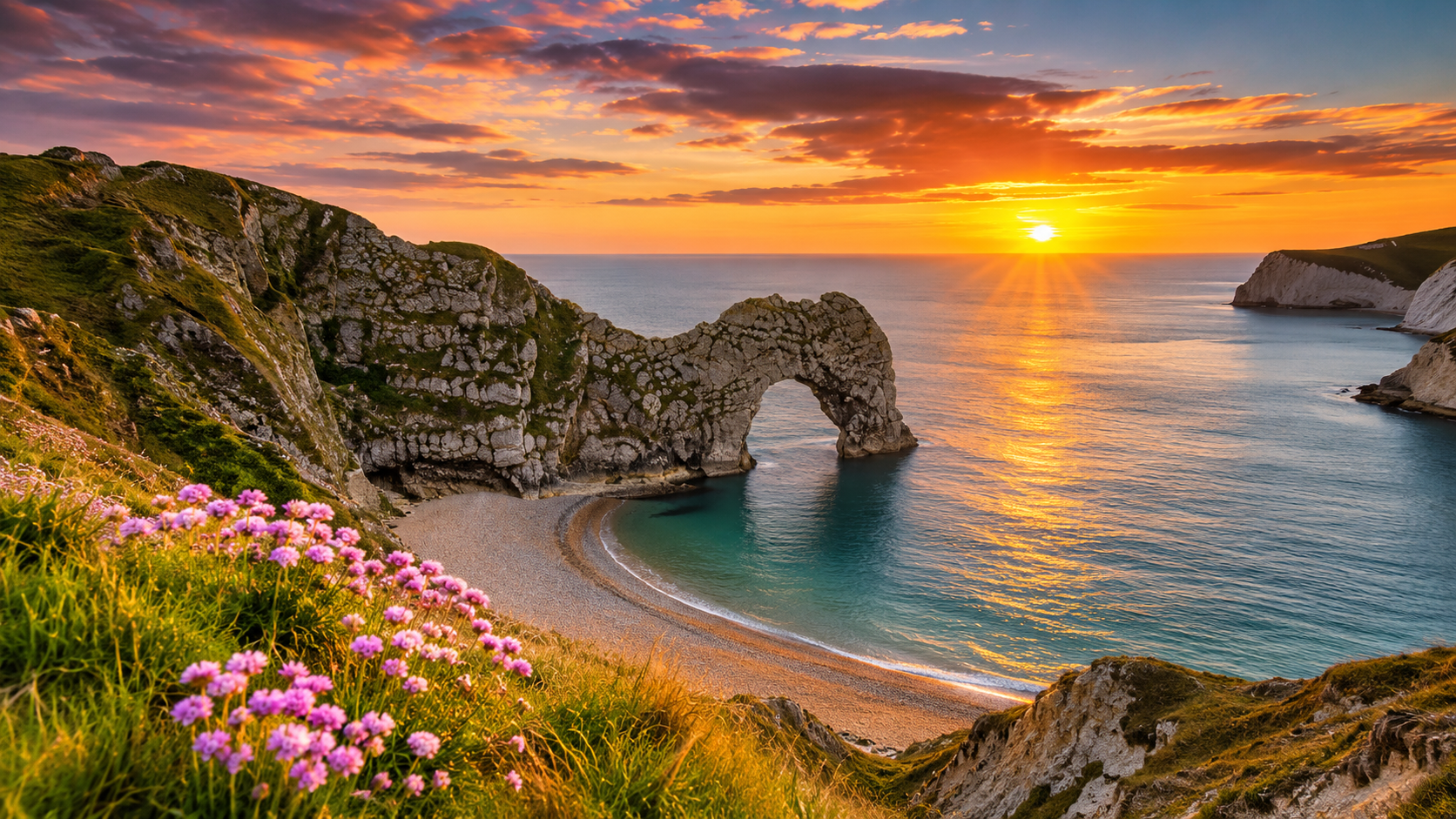
Now imagine returning to exactly the same location shortly after sunrise. The light is softer, shadows are longer, colours can become warmer and the whole landscape takes on a completely different character.
This is why photographers often talk about the golden hour, the period shortly after sunrise and before sunset.
But good light isn't restricted to these times. Overcast conditions can be wonderful for woodland photography, soft light is ideal for portraits and dramatic cloud formations can transform an otherwise ordinary landscape.
Start paying attention to the light around you. Notice where it's coming from, how it affects your subject and how it changes throughout the day. Learning to recognise good light is one of the most valuable skills you can develop as a photographer.
3. Composition: Learning to See the Photograph
You can have beautiful light, a wonderful location and a fantastic camera, but still end up with a disappointing photograph. Quite often, the problem is composition.
When we look at a scene with our eyes, we naturally concentrate on the things that interest us. A camera, however, records everything within the frame.
That distracting branch, the bright object in the corner or the rubbish bin just behind your subject can all become part of your photograph. Learning to compose an image means being much more selective about what you include.
Try asking yourself a few simple questions before taking the photograph:
- What is the main subject?
- Where should it sit within the frame?
- Is there anything distracting in the background?
- Could I improve the photograph by changing my position?
- Would a different focal length make the image stronger?
Don't be afraid to move around. A step to the left, a lower viewpoint or a slightly different angle can completely change the result.
Composition isn't about following a rigid set of rules. It's about understanding how the elements within your photograph work together.
4. Take Control of Your Exposure
One of the biggest steps towards becoming a more confident photographer is moving away from relying entirely on automatic settings.
Understanding the relationship between aperture, shutter speed and ISO gives you much greater control over the final image.
Aperture controls how much light enters the camera and influences depth of field. It's particularly useful when you want to isolate a subject against a softly blurred background.
Shutter speed controls how long the camera records the scene. A fast shutter speed can freeze action, while a slower shutter speed can create beautiful movement in water or clouds.
ISO controls the camera's sensitivity to light. Raising it can help when conditions are darker, although higher ISO settings can introduce noise into your photographs.
These three settings work together, and understanding how they interact opens up a whole new range of creative possibilities.
You don't need to become a technical expert overnight. Start by experimenting with one setting at a time and seeing how it changes your results. If you're still getting to grips with a new camera, our guide to what to learn first when you buy a new camera is a useful place to start.
5. Don't Underestimate the Importance of Editing
The photograph you see on your camera screen isn't necessarily the finished product.
Many of the images you admire online have been carefully processed using software such as Adobe Lightroom, Photoshop or other editing applications.
This doesn't mean changing a photograph beyond recognition. Good editing is about bringing out the detail, colour, contrast and atmosphere that were already present in the original image.
A little adjustment to exposure, highlights, shadows and colour balance can make a significant difference.
The important thing is knowing when to stop. Over-processing can quickly make an otherwise beautiful photograph look unnatural.
Think of editing as the final stage of the photographic process rather than a way of rescuing every photograph that didn't quite work.
The Secret Is Learning to See Differently
Perhaps the biggest difference between someone who takes photographs and someone who really understands photography is the way they look at the world.
Experienced photographers don't simply see a beautiful scene. They're thinking about the direction of the light, the relationship between different elements, the best viewpoint and how they want the finished photograph to look.
These skills develop with practice, experimentation and, importantly, learning from your mistakes.
The good news is that you don't need to spend a fortune on new equipment to improve. You need to spend time understanding the equipment you already have and learning how to get the best from it.
Could a Little Photography Training Help?
Sometimes the quickest way to make progress is to have someone show you what you're doing wrong and, more importantly, how to put it right.
At FotoCourses, we offer practical photography training designed around you, your camera and the type of photography you enjoy.
Whether you're just starting out, struggling to understand your camera settings or looking to take your photography to the next level, our one-to-one photography training gives you the opportunity to learn at your own pace.
We also run practical photography courses in the UK, including workshops in Hampshire, Dorset and the New Forest.
You don't need a new camera. You might just need to learn how to get the best from the one you've already got.