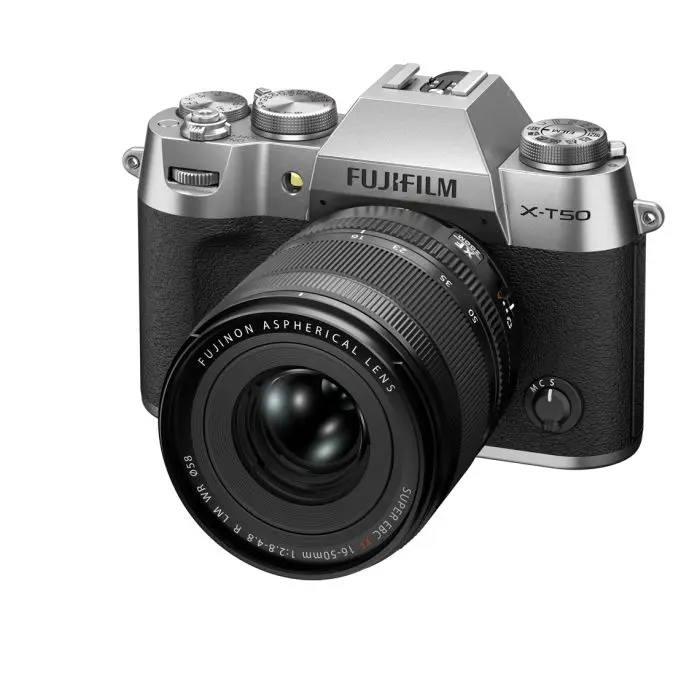
Setting Up Your Fujifilm X-T50 for the First Time
The Fujifilm X-T50 is a superb camera, but the menu system can seem daunting when you first switch it on. In this guide I'll show you the settings I recommend for new owners so you can start taking great photographs straight away.
Step 1: Set the Date and Time
When you first power up the camera, take a few moments to set the correct date, time and language. It makes organising your images much easier later on.
Step 2: Set Image Quality to RAW + Fine JPEG
Navigate to Image Quality Settings and select RAW + Fine. This gives you a finished JPEG for immediate use while keeping a RAW file for maximum editing flexibility.
Step 3: Choose a Film Simulation
One of the joys of using a Fujifilm camera is the Film Simulation system.
- Provia – excellent all-round choice
- Velvia – vibrant landscapes
- Astia – softer portraits
- Classic Chrome – travel photography
- Reala Ace – balanced everyday use
Step 4: Enable Face and Eye Detection
For photographing people, turn Face/Eye Detection on and set Eye Detection to Auto. This helps ensure the eyes remain sharp and in focus.
Step 5: Configure Auto ISO
- Default ISO: 125
- Maximum ISO: 6400
- Minimum Shutter Speed: Auto
This allows the camera to adapt quickly to changing light conditions while maintaining good image quality.
Step 6: Use Single Point Autofocus
Single Point AF gives you more control and helps prevent the camera focusing on the wrong subject.
Step 7: Turn on the Electronic Level
The built-in electronic level is extremely useful for landscapes and architecture, helping you keep horizons straight.
Step 8: Customise the Q Menu
Add your most frequently used settings to the Quick Menu:
- Film Simulation
- White Balance
- ISO
- Focus Mode
- Self Timer
- Dynamic Range
Step 9: Learn AF-S and AF-C
Use AF-S for static subjects such as landscapes and travel photography.
Use AF-C for moving subjects such as wildlife, children and motorsport.
Step 10: Get Out and Practise
No camera setup is perfect. The best way to learn your X-T50 is to start using it regularly and experiment with the different settings and film simulations.
Frequently Asked Questions About the Fujifilm X-T50
Is the Fujifilm X-T50 suitable for beginners?
Yes. Although the X-T50 offers many advanced features, it is also very beginner-friendly. The camera can be used in fully automatic modes while you learn, and as your confidence grows you can gradually take more control over settings such as aperture, shutter speed and ISO.
Should I shoot RAW or JPEG on the X-T50?
For most photographers I recommend shooting RAW + Fine JPEG. This gives you a ready-to-use JPEG while keeping a RAW file that allows maximum flexibility when editing your photographs later.
Which Film Simulation is best for everyday photography?
Provia is an excellent starting point and works well for most subjects. Many photographers also enjoy Reala Ace for general photography and Classic Chrome for travel and street photography.
What is the best autofocus mode for beginners?
Single Point Autofocus is often the easiest way to learn because it allows you to decide exactly where the camera focuses. As you become more experienced you can explore Zone AF and subject detection modes.
What lens should I buy first for my Fujifilm X-T50?
The standard kit lens is an excellent place to start and is capable of producing outstanding results. Before investing in additional lenses, spend time learning what subjects you enjoy photographing most. Your interests will help determine whether a wide-angle, telephoto or prime lens is the best next purchase.
Can the Fujifilm X-T50 be used for wildlife and motorsport photography?
Yes. The X-T50 features fast autofocus and excellent image quality, making it suitable for wildlife, motorsport and other action photography. Using Continuous Autofocus (AF-C) and a suitable telephoto lens will help improve your results when photographing moving subjects.
How long does it take to learn the Fujifilm X-T50?
Most photographers can become comfortable with the basic controls within a few days. Developing confidence with exposure, autofocus and composition takes longer, but regular practice and personalised tuition can significantly shorten the learning process.
Need Help With Your Fujifilm X-T50?
I offer personalised one-to-one photography training designed to help you master your camera quickly and confidently.
Whether you're completely new to photography or want to get more from your Fujifilm equipment, a personal training day can dramatically shorten the learning curve.